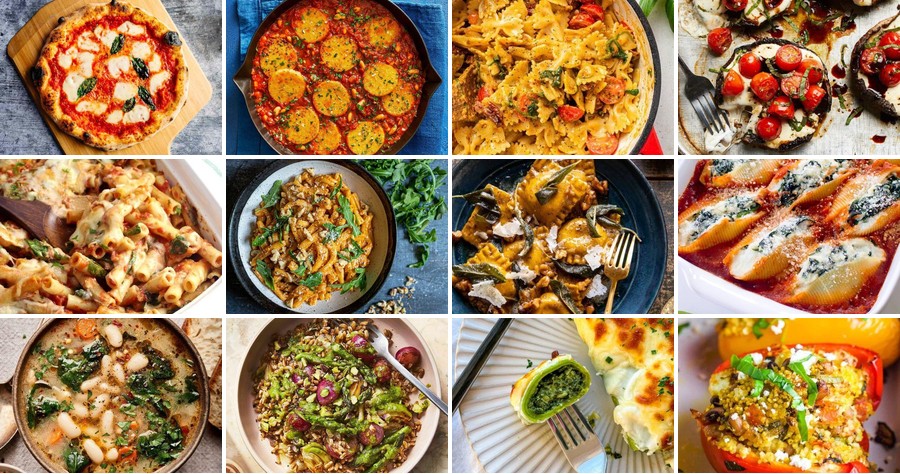
Have you ever found yourself yearning for the soulful, comforting embrace of Italian cuisine, vibrant with flavor yet entirely plant-based? Whether you're a devoted vegetarian, looking to diversify your meal rotation, or simply seeking healthier, delicious options, you're in for a treat. Italian food, at its heart, celebrates the bounty of fresh produce, grains, and cheeses, making it a natural fit for incredible authentic Italian without meat: 20 flavorful vegetarian recipes. And among the myriad of dishes that embody this philosophy, one stands out as a true icon of simplicity and perfection: the Margherita pizza.
There's a unique magic that happens when a few high-quality ingredients come together in perfect harmony. The Margherita pizza is that magic – a culinary equivalent of a timeless classic, impossible to improve upon, yet endlessly satisfying. Forget the greasy takeout boxes and the generic toppings. Today, we're embarking on a delightful journey to master the authentic Margherita pizza in your own kitchen. Prepare to fall in love with every crisp, chewy, and exquisitely balanced bite, proving once again that some of the best Italian flavors are indeed found in authentic Italian without meat: 20 flavorful vegetarian recipes.
The Enduring Charm of Margherita Pizza: A Vegetarian Masterpiece
The Margherita pizza isn't just food; it's a story, a symbol of Italian culinary heritage, and a testament to the power of simplicity. Born in Naples, legend has it that it was created in 1889 by pizzaiolo Raffaele Esposito in honor of Queen Margherita of Savoy, with toppings representing the colors of the Italian flag: red (tomatoes), white (mozzarella), and green (basil). This iconic dish, with its humble origins, has captivated taste buds worldwide and rightfully holds its place as one of the most beloved vegetarian Italian recipes.
What makes the Margherita so universally adored, especially within the realm of vegetarian cooking? It's the purity of its components. There's no hiding behind an avalanche of toppings or rich, meaty sauces. Instead, the quality of each ingredient shines through, creating a symphony of textures and flavors that are both comforting and exhilarating. When you master the art of homemade Margherita, you're not just making pizza; you're creating an experience, a moment of culinary bliss that rivals any pizzeria, all from the comfort of your home kitchen.
Unveiling the Secrets to a Perfect Homemade Margherita
The beauty of a true Margherita lies in its unpretentiousness. It relies on impeccable ingredients, each playing a crucial role. Let's break down the core components that will elevate your homemade pizza from good to extraordinary, cementing its status as a staple among your vegetarian Italian recipes.
The Foundation: Crafting the Ideal Pizza Dough
The crust is the backbone of your pizza, providing that satisfyingly crisp exterior that gives way to a tender, airy crumb. While you can certainly buy good quality pre-made dough, making it yourself offers unparalleled control over texture and flavor. If you're buying, look for fresh, unbleached dough from a reputable bakery or Italian deli. If you're making your own, here are a few critical tips:
- High-Quality Flour: Opt for '00' flour if possible, which is finely milled and results in a delicate, crisp crust. Bread flour is a good alternative for a chewier texture.
- Hydration is Key: A slightly wetter dough (around 65-70% hydration) will yield a more open, airy crumb.
- Patience with Proofing: Allow your dough to proof slowly, ideally in the refrigerator overnight or for at least 8-12 hours. This long fermentation develops incredible flavor and a superior texture.
- Stretch, Don't Roll: When shaping, use your hands to gently stretch the dough from the center outwards, preserving those precious air bubbles that create a light, airy crust. Avoid using a rolling pin, which can deflate the dough.
The Heart: A Bright, Authentic Tomato Sauce
A true Neapolitan Margherita sauce is remarkably simple, designed to let the natural sweetness and acidity of the tomatoes sing. Less is definitely more here. The secret lies in the quality of the tomatoes:
- San Marzano Tomatoes: These are the gold standard. Grown in the volcanic soil of Mount Vesuvius, they have a naturally sweet, less acidic flavor with fewer seeds. Look for canned whole peeled San Marzanos (DOP certified if possible).
- Minimal Ingredients: For a classic sauce, gently crush the whole peeled tomatoes by hand or pulse briefly in a food processor (don't over-blend!). Season simply with a pinch of sea salt. Some purists add a fresh basil leaf or a tiny drizzle of olive oil, but avoid garlic, onions, or dried herbs that can overpower the delicate tomato flavor.
- No-Cook or Lightly Cooked: Many authentic recipes advocate for a no-cook sauce, allowing it to cook on the pizza itself. If you prefer a slightly thicker sauce, you can simmer it very gently for just 10-15 minutes.
The Soul: Choosing the Right Mozzarella
The cheese component is where the Margherita truly gets its rich, milky character. This is not the time for pre-shredded, low-moisture mozzarella, which won't melt correctly or deliver the authentic taste.
- Fresh Mozzarella (Fior di Latte): This is paramount. Look for fresh mozzarella balls packed in water or whey. Fior di latte (cow's milk mozzarella) is typically preferred over buffalo mozzarella for pizza as it has slightly less moisture.
- Drain and Pat Dry: Fresh mozzarella contains a lot of water. Slice or tear it into pieces about 1/2 inch thick and place them on paper towels to drain for at least 30 minutes. This prevents your pizza from becoming soggy.
- Even Distribution: Scatter the mozzarella evenly over your sauce, but don't overload it. You want spots of red sauce to show through, ensuring a balanced flavor in every bite.
The Garnish: Fresh Basil and Finishing Touches
The fresh basil is more than just a garnish; it adds a peppery, aromatic finish that ties all the flavors together. Timing is crucial here.
- When to Add Basil: Some add basil before baking, others after. For a vibrant green color and fresh aroma, tear fresh basil leaves and scatter them over the pizza immediately after it comes out of the oven. The residual heat will warm the basil without burning it.
- High-Quality Olive Oil: A drizzle of excellent extra virgin olive oil over the finished pie adds a fruity richness and beautiful sheen.
- Flaky Sea Salt: A sprinkle of flaky sea salt (like Maldon) on top can enhance the flavors and add a subtle crunch.
Baking Your Masterpiece: Achieving Pizzeria Perfection
Getting that perfectly crisp crust and beautifully melted cheese isn't just about ingredients; it's about technique. Heat is your best friend when it comes to pizza.
- Maximum Heat: Your home oven needs to be as hot as it can possibly get – typically 500-550°F (260-290°C).
- Pizza Stone or Steel: Invest in a pizza stone or, even better, a pizza steel. These conductive surfaces retain and transfer heat much more efficiently than a baking sheet, simulating a professional pizza oven's floor.
- Thorough Preheating: Place your stone or steel on the top rack of your oven and preheat for at least an hour, or even 90 minutes. This ensures it's screaming hot and ready to cook the bottom of your crust rapidly.
- The Launch: Use a lightly floured pizza peel to transfer your prepared pizza onto the hot stone/steel. A swift, confident motion is key. If you don't have a peel, you can assemble the pizza on parchment paper and slide it onto the hot surface.
- Quick Bake: A high-temperature bake means your pizza will cook quickly, usually in 5-8 minutes. Keep an eye on it! The crust should be beautifully browned and bubbly, and the cheese melted and lightly blistered.
Beyond the Basics: Serving Suggestions and Culinary Companions
Once your glorious Margherita emerges from the oven, resist the urge to devour it immediately (though it's hard!). Let it rest for a minute or two to allow the cheese to set slightly, preventing it from sliding off. Then, slice it and serve!
While perfect on its own, a Margherita pizza can be beautifully complemented. For a fun twist, as the reference context suggests, try drizzling the finished pie with a high-quality balsamic glaze. The sweet-tangy notes provide a lovely contrast to the savory pizza. Alternatively, serve it alongside a simple arugula salad tossed in a bright lemon vinaigrette – the peppery greens offer a refreshing counterpoint.
This truly authentic Margherita isn't just a standalone dish; it’s a gateway to exploring more amazing vegetarian Italian recipes. Imagine pairing a slice with a rich, creamy dish like our Easy Italian Comfort: Impress Without Stress with Stuffed Shells, creating a diverse and incredibly satisfying meal that everyone will adore. The vibrant flavors of Margherita can even inspire you to delve into other plant-based Italian classics, like hearty risottos, fresh pasta dishes with vegetable-based sauces, or robust minestrone soups.
Conclusion
Ditching the takeout menu for a homemade Margherita pizza is more than just a cooking choice; it's an embrace of authentic Italian tradition and a celebration of fresh, simple ingredients. The experience of crafting this timeless vegetarian masterpiece in your own kitchen is incredibly rewarding, from stretching the dough to watching the cheese bubble under the heat. The payoff is immense: a perfectly crisp crust, bright tangy tomato sauce, rich milky mozzarella, and the fresh burst of basil. It's a reminder that truly satisfying food doesn't need to be complex or meat-laden. So, gather your ingredients, fire up your oven, and prepare to master one of the most beloved vegetarian Italian recipes. Your taste buds (and your family) will thank you.
